The Hidden Dangers of Creosote: Why You Need an Annual Chimney Sweep in Bend, Oregon
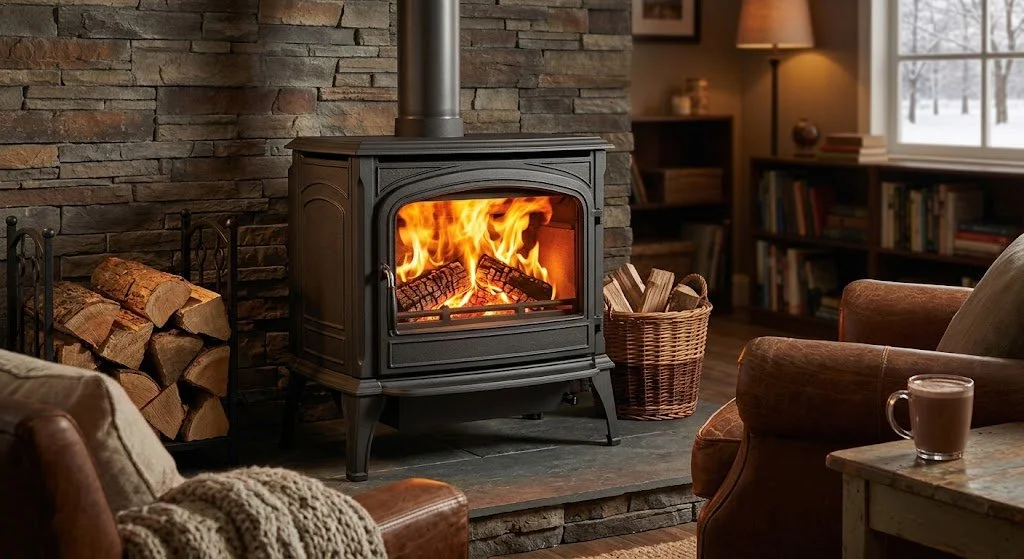
Living in the high desert of Central Oregon comes with incredible perks: world-class skiing at Mt. Bachelor, crisp mountain air, and stunning ponderosa pine forests. But when the temperatures drop and the snow begins to fall, our lifestyle shifts indoors. For many residents, a wood-burning stove or fireplace isn't just a cozy centerpiece—it is a critical lifeline to keeping the house warm during long, freezing nights.
However, relying heavily on a wood-burning system requires responsibility. Every time you strike a match and build a fire, a silent, highly combustible byproduct called creosote begins to coat the inside of your chimney flue. Without regular maintenance from a professional chimney sweep in Bend, Oregon, this hidden danger can escalate from a minor inefficiency to a catastrophic home fire.
In this comprehensive guide, we are pulling back the curtain on creosote: what it is, why the wood we burn in Central Oregon makes it worse, and why scheduling an annual chimney inspection is the most important thing you can do for your home’s safety this winter.
Don't wait for the first winter freeze to realize your fireplace is unsafe. Ensure your home is protected and your heating system is running at peak efficiency. Click here to contact FixaFlame LLC and schedule your professional chimney sweep today!
What Exactly is Creosote?
To understand the danger, you have to understand the science of a wood fire. When you burn wood, it doesn’t completely vanish. The combustion process releases smoke, water vapor, unburned wood particles, hydrocarbon volatiles, and various minerals. As this hot cocktail of exhaust travels up your relatively cooler chimney flue, condensation occurs.
The resulting residue that clings to your chimney walls is creosote. It is dark, acrid, and highly flammable. Creosote buildup is generally categorized into three distinct stages, each more dangerous and difficult to remove than the last:
Stage One Creosote: This is a light, flaky, soot-like buildup. It contains a high amount of carbon and is relatively easy for a certified professional to brush away during a standard chimney sweep service.
Stage Two Creosote: As stage one creosote accumulates and mixes with moisture, it begins to harden into a crunchy, tar-like substance. It is much more stubborn and requires specialized scraping tools to remove effectively without damaging the flue liner.
Stage Three Creosote (Glaze): This is the worst-case scenario. When stage two creosote is heated repeatedly by subsequent fires, it melts and bakes into a thick, shiny, hardened glaze. Stage three creosote is essentially concentrated fuel. It is incredibly difficult to remove, often requiring chemical treatments or heavy-duty rotary chains. If a stray ember ignites stage three creosote, a massive, fast-burning chimney fire is almost guaranteed.
The Unique Wood-Burning Culture of Central Oregon
Why is creosote such a pressing issue for homeowners in Deschutes County? It comes down to our climate and the fuel we burn.
In many parts of the country, homeowners burn hardwoods like oak, maple, or ash, which burn incredibly hot and produce relatively little smoke. Here in Bend, Redmond, and Sisters, our most abundant and accessible firewood consists of softwoods: Ponderosa Pine, Lodgepole Pine, and Juniper.
While these woods are fantastic for getting a fire started quickly, they are highly resinous and contain a massive amount of sap. When softwoods are burned—especially if they haven't been properly seasoned (dried) for at least a year—they release excessive amounts of moisture and unburned particulates. This creates the perfect storm for rapid, heavy creosote accumulation.
Furthermore, the extreme temperature swings of the high desert contribute to the problem. On a negative-degree January night, the exterior of your chimney masonry is freezing, while the interior is filled with hot exhaust. This severe temperature differential accelerates the condensation of creosote onto your flue walls. Homeowners also tend to "damp down" their wood stoves overnight to achieve a longer burn. Starving the fire of oxygen lowers the exhaust temperature, resulting in a smoldering fire that produces maximum creosote.
Because of these local factors, an annual visit from a local chimney sweep in Bend, Oregon isn't just a suggestion; it's a regional necessity.
The Anatomy of a Chimney Fire
Many homeowners believe that a chimney fire would be obvious, but the reality is quite different. While some chimney fires are explosive and dramatic—sounding like a low-flying jet or a freight train roaring through your living room—the majority of chimney fires go entirely unnoticed.
These "slow-burning" chimney fires don't always burst out of the chimney cap, but they reach temperatures exceeding 2,000°F inside the flue. These extreme temperatures can crack clay tile liners, melt metal chimney pipes, and easily transfer heat to the combustible wood framing of your house.
Often, homeowners have no idea a chimney fire has occurred until they hire a professional for an inspection and discover shattered flue tiles or warped dampers. By that time, the chimney is structurally compromised and completely unsafe to use, leading to thousands of dollars in major repair work or full chimney replacements.
Signs It’s Time for a Chimney Sweep in Bend, Oregon
While the National Fire Protection Association (NFPA) strictly recommends an annual inspection for all solid-fuel burning appliances, you should call a professional immediately if you notice any of the following warning signs:
A "Campfire" Odor in the House: Your chimney should draft air out, not in. If your living room smells like a stale campfire, especially on damp days or during the summer, you have excess creosote that needs to be removed.
Poor Drafting: Does smoke billow into the room when you open the stove door to add a log? Creosote buildup physically narrows the diameter of your flue, restricting airflow and causing a poor draft.
Visible Black Soot: If you shine a flashlight up into your damper and see thick, fuzzy, or shiny black buildup, it is time for a sweeping.
Soot Dropping into the Firebox: Finding chunks of black, crusty material sitting on top of your baffle plate or at the bottom of your firebox is a clear indicator that the flue is overloaded with creosote.
Animals in the Chimney: If you hear scratching or fluttering, birds or raccoons may have nested in your chimney during the off-season. Nests are highly flammable blockages that must be removed before you light your first fire.
The FixaFlame LLC Difference: Beyond a Basic Sweep
When searching for a chimney sweep in Bend, Oregon, you will find a mix of varying experiences and qualifications. It is critical to understand that sweeping a chimney is not just about pushing a brush up a pipe—it is a technical safety inspection.
At FixaFlame LLC, we approach every job with the precision of a seasoned hearth expert. With over 9 years of industry experience and an active Oregon CCB license (#258169), I personally ensure that your system is not only clean but mechanically sound.
Here is what you can expect when you book with us:
1. The "Clean Tech" Guarantee
The biggest fear homeowners have when hiring a chimney sweep is the mess. You envision soot clouds ruining your white carpets and covering your furniture. We completely eliminate this concern. We use commercial-grade drop cloths, specialized HEPA-filtered vacuums, and meticulous sealing techniques to ensure that absolutely no dust, ash, or soot enters your living space. We treat your home in Central Oregon with the utmost respect.
2. Comprehensive Mechanical Inspections
A standard sweep removes the creosote, but what about the appliance itself? During our visit, we inspect the critical components of your wood-burning stove or fireplace. If your system requires it, we offer expert internal replacements, including:
Brick and Baffle Replacements to protect the structural integrity of your stove.
Door and Glass Gasketing to ensure a tight seal and efficient burn.
Catalytic Combustor and Air Tube Replacements for high-efficiency units like Lopi, Jotul, and Blaze King.
Chimney Cap and Storm Collar Weather Sealing to keep Central Oregon rain and snow out of your home.
3. Certified Chimney Reports
After every service, you will receive a detailed Certified Chimney Report. This document outlines the health of your flue, the condition of your appliance, and proof of professional maintenance. This is frequently required by home insurance providers in Deschutes County and is invaluable during real estate transactions.
Curious about other services we offer? Check out our Frequently Asked Questions to learn more about our wood, gas, and pellet stove maintenance.
The Cost of Neglect vs. The Peace of Mind
Skipping your annual chimney sweep might save you a little bit of money in the short term, but it is a massive gamble with your property and your family's safety. The cost of repairing fire damage, replacing a ruined chimney liner, or dealing with the aftermath of smoke inhalation far outweighs the affordable cost of routine maintenance.
Moreover, a clean chimney is an efficient chimney. When your flue is clear and your stove is sealed properly, your wood burns hotter, longer, and more efficiently. You will use less firewood to achieve the same amount of heat, ultimately saving you time and money throughout the long winter season.
Whether you are living right in the heart of Bend, out in the neighborhoods of Redmond, or anywhere else in the High Desert, you deserve the peace of mind that comes with a certified, professionally maintained hearth.
Ready to get your fireplace winter-ready? Don't let creosote threaten your home this season. With over 50 five-star reviews from your neighbors in Central Oregon, FixaFlame LLC is ready to provide the highest standard of care for your heating system. Click here to contact us and schedule your chimney sweep today!
